Big disappointments often lead us from hope to despair, from credulity to skepticism, and from naivety to cynicism. This has been the case with the cultural shift from modernity to postmodernism. The Enlightenment’s optimism about moral and scientific progress, grounded in reason and universal truths, was tempered by the devastating events of the 20th century—world wars, genocides, and political upheavals. These tragedies fostered an enduring sense of apprehension and doubt toward the values once believed to drive humanity forward.
As we navigate the 21st century, the challenges we face have evolved. Urgent global issues such as climate change, pandemics, and the emergence of AI demand collective, multilateral action. The postmodern stance, with its rejection of grand narratives and celebration of fragmented perspectives, raises the question of whether cooperation among diverse groups is possible. While it may be tempting to revert to Enlightenment ideals as a solution, the complexity of today’s problems requires a different approach: acknowledging the valid criticisms of modernity while moving beyond the cynicism and relativism that characterized postmodern thought.
What we may need today is an iterative and inclusive attitude that values curiosity and receptiveness. Unlike the ironic detachment of postmodernism, which rejects comparative evaluation between meaning systems, this new orientation strives to integrate and synthesize diverse perspectives. By doing so, it creates more robust frameworks for collective action. In this process, we retain the lessons of critique but also seek the universal principles that can guide us toward greater collaboration and action.
In the following sections, we will first delve into the postmodern condition, particularly its skepticism of grand narratives and its influence on culture, politics, and knowledge. We’ll then explore the drawbacks of this outlook, particularly as it relates to the figure of the hipster—a symbol of postmodern cynicism whose ironic detachment often leads to political inaction and a refusal to engage sincerely with the world.
Next, we will examine the shifting attitudes toward a post-postmodern epoch that moves away from detachment and toward collective action and sincerity. This new cultural and philosophical phase embraces the possibility of meaningful change and collaboration across social, political, and cultural divides. Finally, we will look at a case study in the work of Olafur Eliasson, an artist whose immersive, ecological installations offer an exemplary model of how contemporary culture can reflect this post-postmodern orientation—bringing together art, environmental awareness, and collective experience to engage audiences in profound, sincere ways.
The Postmodern Condition
In The Postmodern Condition (1979), Jean-François Lyotard captures the cultural and intellectual shift of the late 20th century, where traditional ideas of truth and authority begin to crumble. His central thesis centers on the growing mistrust toward grand narratives, once seen as the guiding framework for understanding history, knowledge, and human progress. These grand narratives—like the Enlightenment’s faith in reason, Marxism’s vision of class struggle, or the religious narratives of salvation—no longer hold the same power or authority. People increasingly view these all-encompassing stories with skepticism, seeing them as ideologically driven or overly simplistic, unable to account for the complexity and diversity of modern life.
As a result of this skepticism, knowledge becomes fragmented in the postmodern condition. Instead of a unified, overarching understanding of truth, many smaller, localized truths depend on specific contexts. These “little narratives,” as Lyotard calls them, are contingent on particular situations, perspectives, or cultural norms. What might be considered valid in one context may not apply in another, which leads to a pluralistic and relativistic view of knowledge. This shift from universal truth to fragmented, context-dependent knowledge reflects the profound changes in how we understand and engage with the world.
Lyotard also highlights the role of technology and information in shaping the postmodern landscape. With the rise of computers and digital networks, knowledge can be easily stored, processed, and exchanged like any other commodity. This transformation changes how knowledge is valued—its worth is no longer based on its truth but on its usefulness, efficiency, or market value. In this environment, performance and practicality precede the search for universal truths. Technology reconfigures knowledge into data, and power is increasingly determined by who controls the flow and processing of information rather than who has access to objective truth.
In place of grand narratives, language games become the means through which knowledge is legitimized. Borrowing from Wittgenstein, Lyotard explains that different discourses (scientific, political, artistic) operate according to their own internal rules, and what counts as truth within one domain may not hold in another. These “language games” determine the standards of validity within specific contexts, making truth and legitimacy contingent on the rules of the game being played. There is no single criterion for truth anymore; instead, we navigate through different knowledge systems, each with its own criteria for validation.
The postmodern condition leads to a profound loss of meaning and authority. People feel increasingly disillusioned and disconnected with the collapse of overarching belief systems. This cultural relativism often results in cynicism, as finding stable sources of meaning or purpose in a world without universal truths or shared narratives becomes difficult. The intellectual landscape of the postmodern era is characterized by fragmentation, skepticism, and a focus on performance over truth as traditional sources of authority and legitimacy fade into the background.
New Sincerity and A Life Beyond Irony
In her New York Times article, “How to Live Without Irony,” Christy Wampole critiques the rise of ironic detachment as the dominant mode of self-expression among millennials, a stance she argues has become a defining feature of contemporary culture. Wampole focuses on the figure of the hipster, whom she sees as emblematic of a broader cultural trend where irony is used to shield oneself from earnestness, vulnerability, and direct emotional engagement. This ironic posture manifests in fashion, music, and everyday interactions, where sincerity is replaced by a cool, knowing distance. The hipster wears retro clothes and adopts cultural markers from the past, not because of genuine interest, but to project a sense of ironic detachment from mainstream culture.
Wampole argues that irony has become a defense mechanism, a way to preemptively guard against critique or embarrassment by never fully committing to anything. This reliance on irony, she suggests, prevents meaningful engagement with the world and others, creating a culture of self-consciousness and inauthenticity. The desire to appear unaffected and above it all leads to a refusal to be vulnerable or sincere, which stunts both personal growth and genuine connection.
To counter this, Wampole advocates for a return to sincerity. Living without irony, she argues, requires embracing authenticity, even if it means exposing oneself to the possibility of failure or ridicule. She calls for a rediscovery of genuine experiences, where people are willing to invest in something fully, without the safety net of ironic detachment. For Wampole, sincerity and directness are acts of courage in a world saturated with ironic posturing. By moving beyond irony, she believes we can live more meaningful, engaged lives, fostering real relationships and a deeper sense of purpose.
Wampole’s critique speaks to the post-postmodern condition, where the ironic stance once heralded by postmodernism has, in many cases, become limiting. Her call to live sincerely resonates with the broader cultural push toward authenticity and meaningful engagement that characterizes a move beyond the postmodern emphasis on detachment and critique.
Transmodernity, or The Post-Postmodern Turn
Post-postmodernism, or transmodernism, addresses the challenges of its time through active negotiation and adaptation rather than rejecting modern advances. For instance, solving issues like climate change or AI alignment doesn’t require a nostalgic return to pre-technological ways of living or a retreat into localism. Instead, it calls for repurposing technological expertise to address the negative externalities of progress. While it’s understood that some externalities may never be entirely eliminated, post-postmodernism remains hopeful that sustainability can be achieved, at least within a significant enough time frame, until even better solutions are discovered.
Post-postmodernism fosters a sense of flatness in terms of meaning-making, where multiple perspectives can coexist without being ranked hierarchically. Yet, unlike the relativism of postmodernism, this approach also encourages evaluating ideas based on their robustness—a neutral, nonjudgmental assessment of what different frameworks can and cannot do. This does not imply superiority or inferiority but acknowledges that some systems are more capable in specific contexts. To illustrate, an adult may have more life experience than a child, but they are not inherently “better”; they are simply different stages of development, both equal in dignity. Similarly, negotiation between perspectives should be collaborative, aiming to create a shared framework where individuals can see themselves reflected.
If modernity was characterized by a youthful, often naive exuberance toward progress and postmodernity by a detached, ironic sensibility, then post-postmodernity embraces a self-aware sincerity. This new sensibility is willing to commit to ideas and strong beliefs, accepting the possibility of embarrassment or mistakes as part of the process. There’s confidence in the ability to self-correct and improve over time. By combining this passion and care with a commitment to inclusion and collaboration, transmodernity equips us with the mindset and tools necessary to confront the complex challenges of the 21st century.
Case Study: The Art of Olafur Eliasson
Olafur Eliasson is a Danish-Icelandic artist whose has been exhibiting worldwide since the 1990s. Born in Copenhagen in 1967, Eliasson’s artistic journey has been shaped by his dual heritage and his deep connection to nature, particularly the Icelandic landscape. Eliasson’s art is characterized by its innovative use of materials and forms. He often employs elements such as light, water, air, and even temperature to create immersive installations that challenge our perception of space and environment. His works frequently blur the line between natural phenomena and technological interventions, creating experiences that are at once familiar and otherworldly.
Key materials in Eliasson’s toolkit include light (natural and artificial, mirrors and reflective surfaces, water in various states (liquid, ice, mist), geometric shapes and structures, organic materials (moss, stones), and technological components (LEDs, motors).
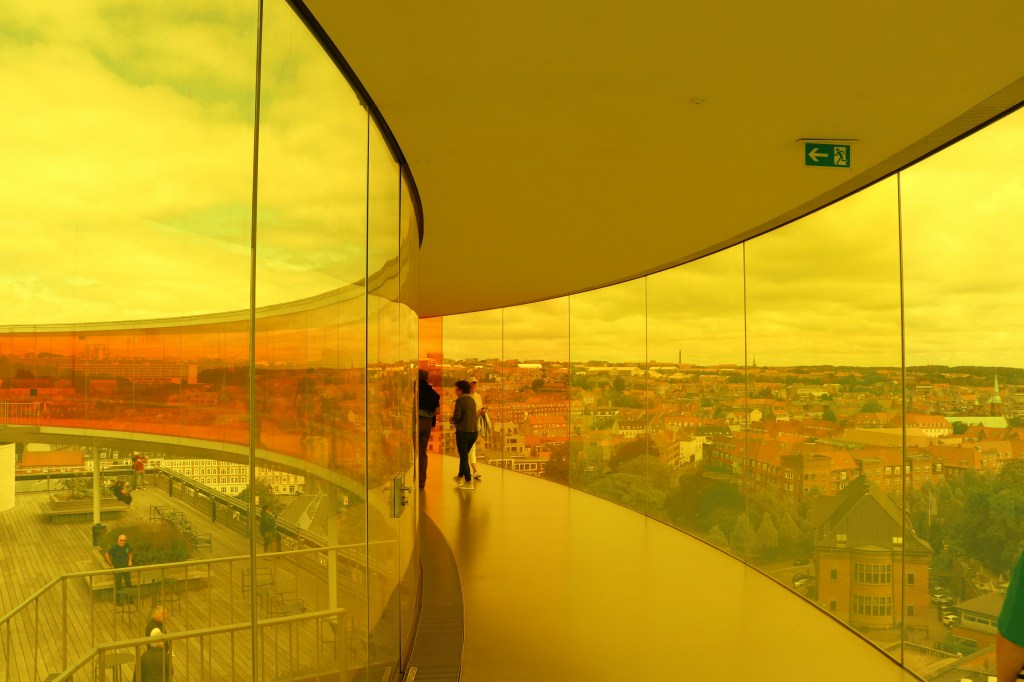
Eliasson’s work delves into a range of interconnected themes. With an emphasis on both nature and technology, he often explores the relationship between natural phenomena and human-made systems including architectural spaces. His work frequently address urgent ecological concerns. Further, Eliasson believes in the power of art to inspire collective action and social change.
Eliasson’s art has had a significant impact on both the art world and the broader public sphere. His installations often draw massive crowds, making contemporary art accessible to a wide audience. Works like “The Weather Project” (2003) at Tate Modern have become iconic, changing how people interact with art in public spaces. His “Little Sun” project, which provides solar-powered lamps to communities without electricity, demonstrates how art can have real-world, practical applications. Eliasson’s focus on environmental issues has helped raise awareness about climate change among diverse audiences.
Olafur Eliasson’s work exemplifies many key aspects of post-postmodern art. In his public speaking, he often emphasizes a motivation to create shared spaces of connectedness that doesn’t require people to be the same or even have the same reactions to his art while still having a sene of acceptance for each other. Unlike the irony often associated with postmodernism, Eliasson’s art aims to create genuine moments of awe and reflection. Many of his installations invite active engagement from viewers, breaking down the barrier between art and audience. Eliasson works in an interdisciplinary way, frequently collaborates with scientists, architects, and other professionals, reflecting the post-postmodern tendency to blur disciplinary boundaries.
He emphasizes environmental awareness through his consistent engagement with ecological issues, aligning with transmodern concerns about global, interconnected problems. Projects like “Little Sun” exemplify how post-postmodern art seeks to reconnect artistic practice with practical, real-world applications. Eliasson is transparent about his process often revealing the mechanisms behind his installations, reflecting a post-postmodern interest in demystifying artistic production while still creating awe-inspiring experiences. His work addresses global issues while remaining sensitive to local contexts, embodying the post-postmodern engagement with both global and local concerns.
In essence, Eliasson’s art embodies a transmodern ethos by combining technological innovation with environmental consciousness, creating experiences that are both intellectually engaging and emotionally resonant. His work demonstrates how art can be a powerful tool for fostering awareness, inspiring action, and reimagining our relationship with the world around us.
Conclusion
As we navigate the complexities of the 21st century, it’s clear that the postmodern approach of ironic detachment and fragmentation can no longer provide the answers to the global challenges we face. From climate change to the rise of AI, our time calls for a cultural and philosophical shift—one that reclaims sincerity and collective action while retaining the critical lens postmodernism offered.
In the work of artists like Olafur Eliasson, we see the embodiment of this spirit: a return to meaningful engagement with the world, a blending of diverse perspectives, and a call to action on urgent issues like ecological sustainability. Eliasson’s immersive installations do more than critique—they invite us to participate in a shared experience and reflect on our collective responsibility.
As transmodernity continues to unfold, it reminds us that the path forward involves not just questioning power structures but also rebuilding connections—to the environment, to one another, and to new ideas of progress and change. In this way, we move beyond the fragmentation of the past and into an era defined by collaboration, integration, and a renewed sense of possibility.
Further Reading
- The Postmodern Condition: A Report on Knowledge by Jean-François Lyotard
In this seminal work, Lyotard explores the breakdown of grand narratives and the rise of fragmented, localized knowledge in the postmodern era. His analysis of the effects of technology and the commodification of knowledge provides the foundational framework for understanding the postmodern condition, making it essential for any exploration of post-postmodern thought. - “How to Live Without Irony” by Christy Wampole (The New York Times, 2012)
Wampole’s essay critiques the ironic detachment that defines much of millennial culture, particularly through the figure of the hipster. She calls for a return to sincerity and authentic engagement in everyday life, offering a sharp critique of postmodern cynicism and a pathway toward more meaningful forms of connection and expression. - Olafur Eliasson: Experience by Mark Godfrey, Olafur Eliasson, et al.
This comprehensive book on the work of Danish-Icelandic artist Olafur Eliasson explores his immersive installations and how they engage with environmental, spatial, and phenomenological themes. Eliasson’s work often bridges the gap between art and nature, creating experiences that resonate with post-postmodern themes of interconnectedness and ecological awareness. - Novacene: The Coming Age of Hyperintelligence by James Lovelock
In this thought-provoking work, Lovelock, famous for his Gaia theory, introduces the concept of the “Novacene” era, where humans and intelligent machines will shape the planet in unprecedented ways. He explores how technology, the environment, and human evolution will intersect, offering a speculative yet scientifically grounded perspective on the future that reflects post-postmodern concerns with ecology and artificial intelligence. - Towards A Green Democratic Revolution: Left Populism and the Power of Affects by Chantal Mouffe
Mouffe, a leading political theorist, argues for the need to mobilize affects—emotional and collective feelings—as part of a left populist movement to confront the climate crisis. This book challenges the fragmented individualism of postmodern politics and calls for a collective political mobilization to address ecological and social injustices. It aligns with post-postmodern thought by addressing the need for new narratives and collective action in the face of global challenges.
Credits
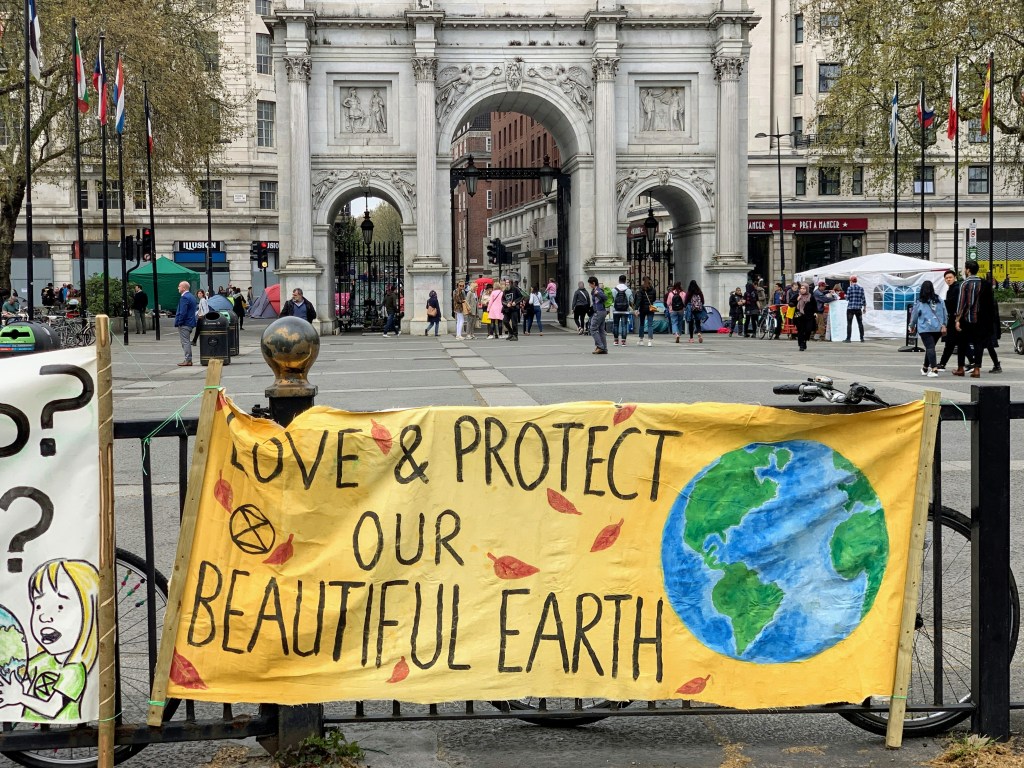
This post was edited with the help of Grammarly and AI-assisted tools to ensure clarity and grammatical accuracy. The featured image was sourced from Unsplash+ under a paid subscription.
 Feeling Momentum
Leave a comment